Roof flashing repair in Corinth, TX
A leak beside a chimney, wall or pipe often needs work at the joint. Get Corinth roof flashing assessed and repaired so the roof’s overlaps carry rain across the connection.
Repair the joint where roofing meets a wall
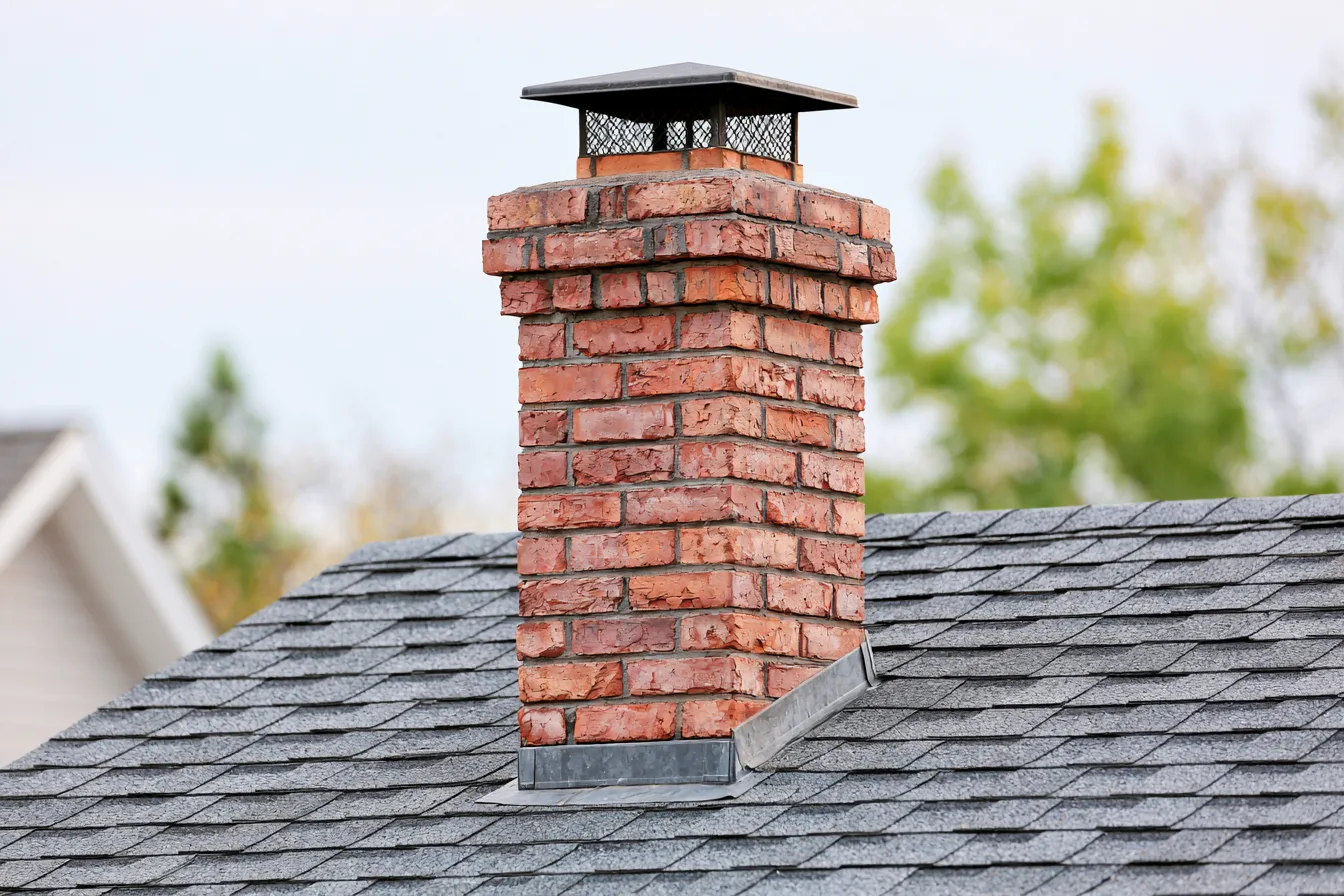
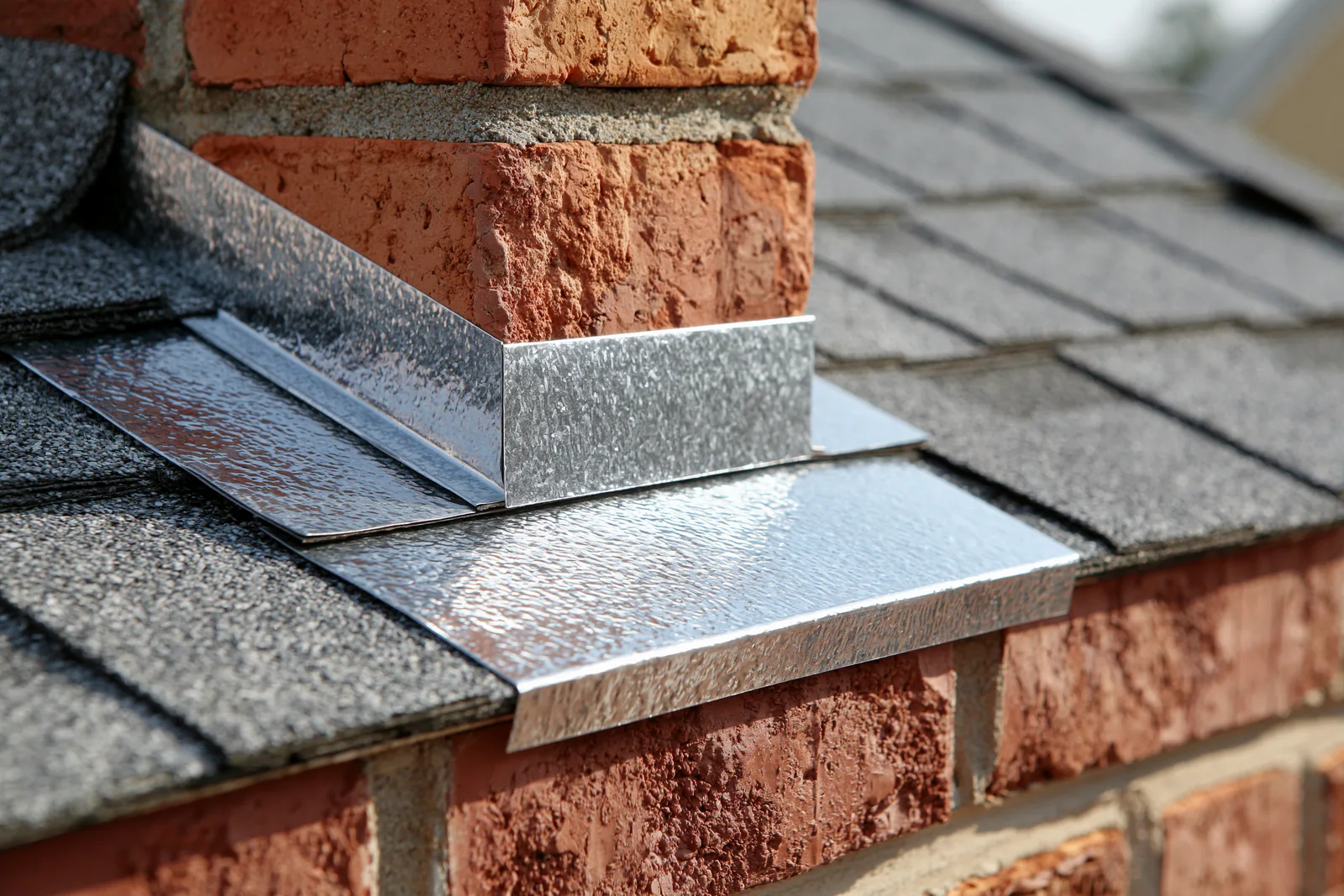
Roofing cannot simply end against a wall and remain watertight. Flashing bridges the joint and directs water over the roof surface. Along a sloped wall, step flashing is interwoven with successive shingle courses; the wall-side detail sheds water over that metal rather than behind it.
At a chimney, base flashing and counterflashing have related jobs. One connects to the roofing, while the other protects the upper edge at the masonry. If either connection opens, coating the visible line can leave part of the water path unchanged.
A flashing repair may require lifting adjoining shingles or gaining access behind siding. The goal is a properly connected detail, with sound material on both sides of the joint. Masonry or siding deterioration needs to be identified as part of the discussion even where its repair falls outside the roofing work.
Different roof joints need different details
How Corinth roof flashing is rebuilt
Identify the failed connection
The leak location and roof inspection help establish which part of the joint needs attention. A chimney-side stain alone does not prove the metal is the only source.
Open the adjoining material
Access may require removing shingles or coordinating access at siding or masonry. Deteriorated decking or brittle roofing changes how far the opening must extend.
Reconnect the layers
Compatible flashing is fitted to the roof and wall detail, with the intended overlaps and terminations. Adjoining roofing is restored so runoff passes across the completed connection.
When flashing repair grows beyond the metal
A small-looking joint can involve several materials. The repair has to reach support and connections that will hold.
Damaged decking
Water entering over time can weaken the wood beneath the joint. Replacing only the flashing would leave an unsound base. Affected decking needs attention before the roofing is closed.
Brittle shingles
Older covering may break when lifted for access. The repair area can need to grow until the new flashing and shingles can tie into workable material.
Wall or chimney defects
Loose siding, failed masonry joints or a chimney cap problem can admit water independently of the roof. Those findings should be separated so the appropriate work can be arranged.
Corinth flashing repair FAQs
Can sealant replace roof flashing?
No. Sealant can be part of a specified flashing detail, but it does not take the place of correctly overlapped metal and roofing. A surface bead alone can leave water entering behind the joint.
Is every chimney leak a flashing leak?
No. Masonry, chimney caps, crowns and other components can also admit water. The inspection needs to distinguish those sources from the roof connection before selecting the work.
Should flashing be replaced with the shingles?
It needs evaluation for condition, fit and compatibility with the new roof. Corroded or damaged flashing should not be hidden beneath a new covering. Whether a sound piece can remain depends on the specific detail and installation requirements.
Why can a small flashing repair take substantial work?
Much of the connection is covered by shingles, siding or masonry details. Access, damaged support and the need to restore those materials can involve more work than the visible strip of metal suggests.